 Chat with us

Call us now :08045804634
 Send Inquiry
 Send Inquiry
Damper Valves
Price 5000 INR/ Piece
MOQ : 10 Pieces
Damper Valves Specification
- Material
- Mild steel, Stainless steel
- Connection Type
- Flanged or wafer
- Valve Type
- Damper valve
- Valve Size
- DN100DN1000
- Control System
- Manual lever, geared, pneumatic, electric actuator
- Features
- Low leakage, easy installation, corrosion resistance
- Application
- Industrial ventilation, dust collection, HVAC, exhaust systems
- Sealing
- Neoprene or silicone gasket
- Structure
- Butterfly type, sandwich/wafer
- Voltage
- 220V/380V for electric operation
- Type
- Modulating or shut-off
- Power
- Manual or Electric actuated
- Pressure
- Up to 2 bar
- Media
- Air, gas, fumes
- Port Size
- 100mm to 1000mm (customizable)
- Temperature
- Up to 350C
- Disc
- Mild steel/SS304/SS316
- Pin
- Stainless steel
- Suitable Duct Shape
- Round, Square, Rectangular
- Operation
- On/Off, Modulating type available
- Mounting Position
- Horizontal or vertical
- Inspection Port
- Provided as per design
- Actuator Brand Compatibility
- Compatible with leading actuator brands
- Leakage Rate
- Class I, II, or III as per standards
- Body Construction
- Heavy duty fabricated
- Surface Finish
- Epoxy painted, Hot dip galvanized, Powder coated
- Service Life
- Over 50,000 cycles (actuated models)
- Design Standard
- IS, DIN, ANSI, or customer standard
Damper Valves Trade Information
- Minimum Order Quantity
- 10 Pieces
- Supply Ability
- 100 Pieces Per Day
- Delivery Time
- 1 Week
About Damper Valves
Damper Valves is a butterfly type flow control unit which is widely used in various high pressure flow systems. It is provided with a flat quarterly turned plate at the center which acts as a barrier to alter flow rate as per its movement. Top grade polypropylene is used for the fabrication of this plumbing fittings which imparts greater strength and durability. The flanged ends of the offered Damper Valves allows you to install it within the pipelines with the help of mechanical fasteners.
Versatile Mounting & Custom Standards
The damper valves accommodate both horizontal and vertical mounting configurations, ensuring installation flexibility in diverse ductwork layouts. Designed as per major global standards (IS, DIN, ANSI), they also cater to custom specifications for specialized requirements. This adaptability allows seamless integration into a wide array of industrial applications.
Durable Construction with Superior Surface Finish
Constructed from high-quality mild steel or stainless steel (SS304/SS316), these valves are engineered to withstand demanding environments. Multiple surface finish options, including epoxy paint, hot-dip galvanizing, and powder coating, enhance their resistance to corrosion and wear, ensuring longevity even in harsh operating conditions.
Reliable Operation & Compatibility
Available with both manual and electric actuation, these valves offer precise on/off or modulating control. Our products ensure compatibility with leading actuator brands and provide a long operational life, exceeding 50,000 cycles on actuated models. The inclusion of inspection ports and heavy-duty fabrication supports reliable, low-leakage operation in critical air and gas applications.
FAQs of Damper Valves:
Q: How should damper valves be mounted for optimal performance?
A: Damper valves can be mounted in either horizontal or vertical positions. The appropriate choice depends on your duct system layout and application requirements. For most systems, both orientations provide effective airflow regulation, as the valve design accommodates flexible mounting without affecting performance.Q: What standards and surface finishes are available for these valves?
A: Our damper valves are designed following renowned international standards such as IS, DIN, ANSI, or per specific customer requirements. Available surface finishes include epoxy paint, hot-dip galvanizing, and powder coating, all of which enhance corrosion resistance and durability in challenging industrial environments.Q: When should I choose manual operation versus electric actuation?
A: Manual operation with lever or geared mechanisms is suitable for applications requiring straightforward on/off control or occasional adjustments. For automated, remote, or frequent adjustmentsincluding modulating controlelectric actuation (220V/380V) or pneumatic actuators are recommended, providing precise airflow management and compatibility with control systems.Q: Where can damper valves be used effectively?
A: These damper valves are ideal for industrial applications such as HVAC systems, ventilation, dust collection, and exhaust systems. They fit round, square, or rectangular ducts, and can handle media like air, gas, or fumesmaking them suitable for a wide range of air control scenarios.Q: What is the process for selecting the right damper valve for my needs?
A: To select the appropriate damper valve, determine your duct shape and size (port size 100mm1000mm), desired operation type (on/off or modulating), required standards, surface finish, media handled, pressure and temperature ranges, and actuation preference. Our team can advise based on your specific operational and environmental conditions.Q: How does the inspection port benefit system maintenance?
A: The inspection port, provided as per design specification, facilitates routine inspection and maintenance. This feature enables easy access to internal components without disassembling the entire unit, helping maintain optimal performance and extend valve service life.Q: What are the advantages of using these damper valves?
A: Benefits include low leakage rates (Class I, II, or III), corrosion resistance, easy installation, compatibility with major actuation brands, long service life (over 50,000 cycles for actuated models), and flexible integration into various ductwork and industrial environments. These features contribute to efficient airflow control and reduced operational downtime.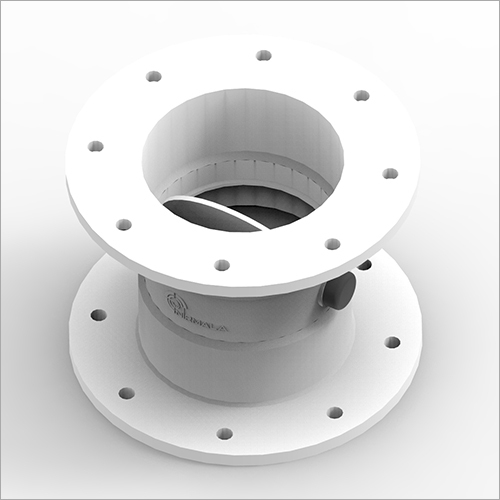
Tell us about your requirement

Price:
Quantity
Select Unit
- 50
- 100
- 200
- 250
- 500
- 1000+
Additional detail
Mobile number
Email

More Products in POLYPROPYLENE VALVE Category
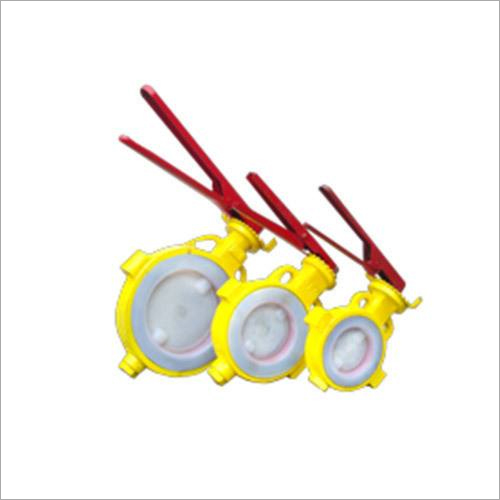
PP Lined Butterfly Valve
Price 5000 INR / Piece
Minimum Order Quantity : 10 Pieces
Media : Other, Liquids and gases involving acids, alkalis, solvents, and toxic fluids
Material : Ductile Iron/Carbon Steel external body with ASTM grade PP lining
Port Size : 1 inch to 12 inches (standard sizes)
Valve Type : Butterfly Valve
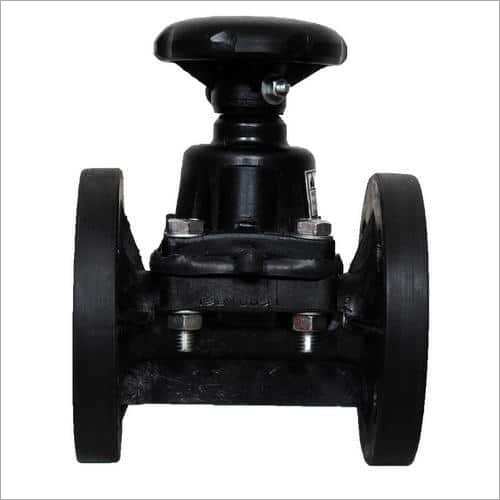
PP Diaphragm Valve
Price 5000 INR / Piece
Minimum Order Quantity : 10 Pieces
Media : Other, Water, Chemicals, Acidic and Alkaline solutions
Material : Polypropylene (PP)
Port Size : 15mm to 100mm (1/2 to 4)
Valve Type : Weir Type
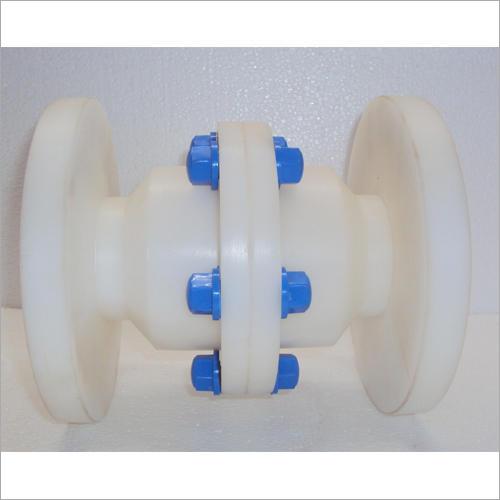
PP NRV Valve
Price 5000 INR / Piece
Minimum Order Quantity : 10 Pieces
Media : Other, Water, Chemicals, Liquid Fluids
Material : Polypropylene (PP)
Port Size : 1/2 inch to 4 inches
Valve Type : NonReturn Valve
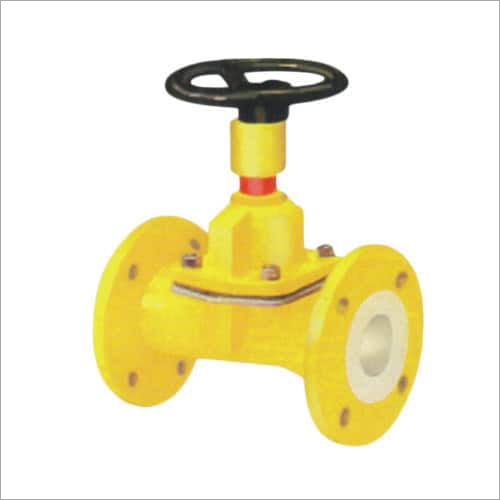
PP Lined Diaphragm Valve
Price 5000 INR / Piece
Minimum Order Quantity : 10 Pieces
Media : Other, Corrosive Liquids, Slurries, Acids
Material : Cast Iron body, PP Lined Interior
Port Size : 15mm to 300mm
Valve Type : Weir Type

 Send Inquiry


Our Products


Shed No.- 74-75, Gangotri Estate, Near Vatva, Ramol Bridge Phase-IV, Ahmedabad - 382445, Gujarat, India

Mr Rajnikant
(Sales Manager)
Mobile :08045804634
 Send Inquiry
 Send SMS
Developed and Managed by Infocom Network Private Limited.


