 Chat with us

Call us now :08045804634
 Send Inquiry
 Send Inquiry
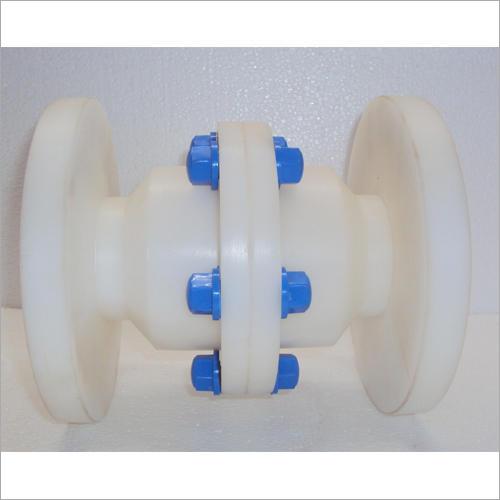
PP Lined Diaphragm Valve
Price 5000 INR/ Piece
MOQ : 10 Pieces
PP Lined Diaphragm Valve Specification
- Connection Type
- Flanged End to DIN, ANSI or BS Standards
- Valve Type
- Weir Type
- Valve Size
- DN15 to DN300
- Control System
- Handwheel Operated
- Features
- Corrosion Resistant, Maintenance Free, Leak Proof
- Material
- Cast Iron body, PP Lined Interior
- Sealing
- EPDM or PTFE Diaphragm
- Structure
- Diaphragm
- Application
- Chemical, Pharmaceutical, Water Treatment, Petrochemical Industries
- Type
- PP Lined Diaphragm Valve
- Power
- Manual
- Pressure
- Up to 6 Kg/cm²
- Media
- Corrosive Liquids, Slurries, Acids
- Port Size
- 15mm to 300mm
- Temperature
- Up to 110°C
- Disc
- PP Lined or PTFE
- Pin
- Single Pin Bonnet
- Working Life
- Long Functional Life
- Stem Material
- Stainless Steel (SS 304/316)
- Bonnet Material
- PP Lined Cast Iron
- Operation
- Quarter Turn Manual
- Body Coating
- Fusion Bonded Epoxy Coated
- Lining Thickness
- 3 mm minimum (Polypropylene)
- Color
- Blue/Black (customizable)
- Leakage Class
- Class VI Bubble Tight
- Compliance
- ISO 9001:2015 Certified
- Standards
- Manufactured as per IS and International Standards
PP Lined Diaphragm Valve Trade Information
- Minimum Order Quantity
- 10 Pieces
- Supply Ability
- 100 Pieces Per Day
- Delivery Time
- 1 Week
About PP Lined Diaphragm Valve
PP Lined Diaphragm Valve that we are offering is widely appreciated owing to its premium quality, long service life, and optimum performance. The provided valve is well-designed and manufactured in our advanced production division making the best use of pioneering technique and tools. Owing to its rugged construction and high build quality, it ensures longevity. The diaphragm valve is basically used in the flow regulation of abrasive media like chemicals and other fluids. It is easy to operate the valve. Furthermore, we have made available a wide assortment of the PP Lined Diaphragm Valve based in different size and types in order to fulfill the varied demands of our clients.
Product Details:
| Thickness | Up to 1.5 Inch |
| Brand | Nirmala |
| Media | Water |
| Pressure | Low Pressure |
| End Connection | Flanged |
| Material | PP |
Engineered for Harsh Chemical Applications
Designed specifically for chemical, pharmaceutical, water treatment, and petrochemical industries, this PP lined diaphragm valve offers robust protection against corrosive media. The interior polypropylene lining and fusion bonded epoxy coated body prevent chemical attack, making it ideal for slurries, acids, and other aggressive liquids. Its sturdy construction ensures safe, long-term operation in demanding environments.
Innovative, Leak-Proof Design
The valve utilizes a weir type diaphragm structure featuring EPDM or PTFE diaphragms for Class VI bubble-tight sealing. These materials ensure zero leakage and maintenance-free performance over a long working life. The combination of high-quality PP lining, stainless steel stem, and customizable colors meets safety, aesthetic, and functional requirements for modern industrial systems.
Manual Operation with Global Standard Compliance
Featuring a handwheel for precise, quarter-turn manual control, this valve is manufactured to IS and International Standards (DIN, ANSI, BS). Flanged end connections streamline installation across diverse systems. Stringent quality compliance with ISO 9001:2015 assures consistent performance and reliability for all your fluid control applications.
FAQs of PP Lined Diaphragm Valve:
Q: How does the PP lined diaphragm valve resist chemical corrosion?
A: The valve is internally lined with a minimum of 3mm thick polypropylene, shielding the cast iron body from corrosive fluids. The exterior is further protected with a fusion bonded epoxy coating, providing exceptional resistance to harsh chemicals and aggressive media.Q: What types of industries can benefit from using this valve?
A: Industries such as chemical processing, pharmaceuticals, water treatment, and petrochemical facilities find this valve highly suitable for handling corrosive liquids, slurries, and acids, owing to its robust design and reliable performance.Q: When is it recommended to use an EPDM or PTFE diaphragm?
A: EPDM diaphragms are ideal for water, diluted acids, and alkaline media. PTFE diaphragms are preferred for highly aggressive or concentrated chemicals due to their superior chemical resistance. Selection depends on the specific application and media being handled.Q: Where can the valve be installed within a process system?
A: It can be installed at any point in fluid pipelines where accurate flow control and leak-proof isolation are required, especially where corrosive, abrasive, or hazardous fluids are present.Q: What is the operational process of this valve?
A: The valve operates by rotating the handwheel in a quarter-turn motion. This action moves the diaphragm, which isolates or regulates flow. The single pin bonnet and precision stem design ensure stable, consistent operation and tight sealing.Q: How does the design ensure maintenance-free and leak-proof performance?
A: The use of high-quality PP lining, resilient diaphragms (EPDM/PTFE), and Class VI bubble-tight sealing ensures no leakage occurs during operation. The robust bonnet and corrosion-resistant materials minimize the need for frequent maintenance or repairs.Q: What are the main benefits of using a PP lined diaphragm valve over standard valve types?
A: The primary advantages include outstanding chemical resistance, long operational life, superior sealing for zero leakage, compliance with international standards, and easy manual operation. This reduces maintenance costs while enhancing safety and process reliability.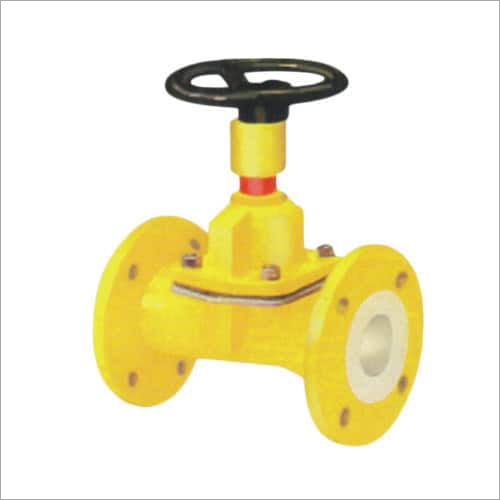
Tell us about your requirement

Price:
Quantity
Select Unit
- 50
- 100
- 200
- 250
- 500
- 1000+
Additional detail
Mobile number
Email

More Products in POLYPROPYLENE VALVE Category
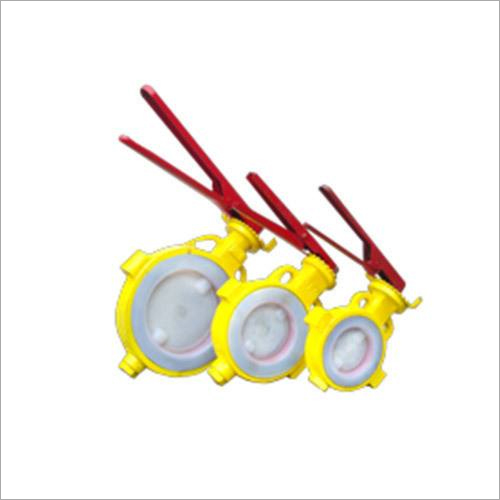
PP Lined Butterfly Valve
Price 5000 INR / Piece
Minimum Order Quantity : 10 Pieces
Valve Type : Butterfly Valve
Pressure : Other, Up to 10 Bar (PN10 rated); consult for higher pressure rating
Media : Other, Liquids and gases involving acids, alkalis, solvents, and toxic fluids
Material : Ductile Iron/Carbon Steel external body with ASTM grade PP lining
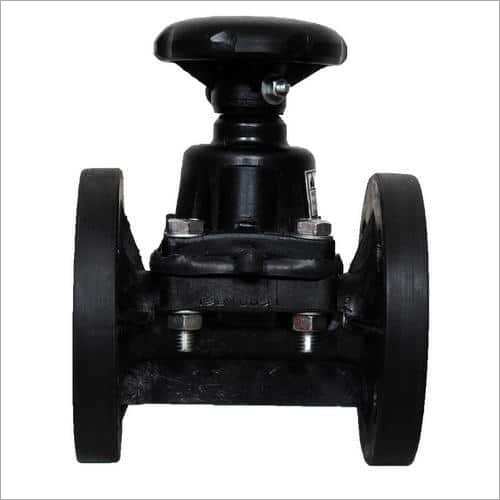
PP Diaphragm Valve
Price 5000 INR / Piece
Minimum Order Quantity : 10 Pieces
Valve Type : Weir Type
Pressure : Other, Max 10 bar
Media : Other, Water, Chemicals, Acidic and Alkaline solutions
Material : Polypropylene (PP)
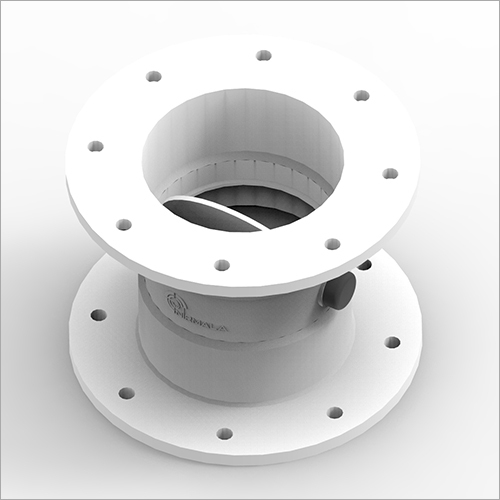
Damper Valves
Price 5000 INR / Piece
Minimum Order Quantity : 10 Pieces
Valve Type : Damper valve
Pressure : Other, Up to 2 bar
Media : Other, Air, gas, fumes
Material : Mild steel, Stainless steel
PP NRV Valve
Price 5000 INR / Piece
Minimum Order Quantity : 10 Pieces
Valve Type : NonReturn Valve
Pressure : Other, Up to 10 Kg/cm
Media : Other, Water, Chemicals, Liquid Fluids
Material : Polypropylene (PP)

 Send Inquiry


Our Products


Shed No.- 74-75, Gangotri Estate, Near Vatva, Ramol Bridge Phase-IV, Ahmedabad - 382445, Gujarat, India

Mr Rajnikant
(Sales Manager)
Mobile :08045804634
 Send Inquiry
 Send SMS
 Call Me Free
Developed and Managed by Infocom Network Private Limited.


